Wardrobe Styling: Casual Streetwear to Haute Couture
Have you ever thought about how clothes can change how we see ourselves? My journey started in May 2013 with a Stussy sweater. It showed me that clothes are more than fabric; they are a powerful form of identity.
Fashion spans from casual streetwear to the detailed beauty of haute couture. Knowing both worlds is key for mastering digital character design. By mixing these styles, you can make your characters look amazing.
This guide will help you improve your creative work. Whether you’re styling an ai girl wardrobe or enhancing your own style, balance and texture are crucial. Let’s see how to mix everyday comfort with high-fashion elegance.
Key Takeaways
- Fashion is a main way to express who we are.
- Streetwear offers comfort and cultural connection.
- Haute couture brings complex craftsmanship and art.
- Knowing both styles makes character creation more exciting.
- Digital design needs a grasp of real-world fabrics and fit.
Understanding the Fundamentals of AI Girl Wardrobe Styling
Effective ai girl wardrobe styling turns a simple sketch into a real character. It’s not just about picking clothes; it’s about creating a visual language. Each outfit tells a story about who your character is and where they fit in your world.
The Role of Fashion in Character Design
Fashion shows a character’s backstory, social status, and personality. By choosing specific styles and colors, you can show if a character is bold or fashionable. Thoughtful design makes clothes feel like a natural part of the character, not just an add-on.
Mastering ai girl wardrobe styling lets you share complex traits without words. A tailored blazer might show ambition, while ripped jeans suggest a free spirit. These small details help people connect with your character on a deeper level.
Balancing Realism and Stylized Aesthetics
Designing for AI means finding a balance between what’s possible and your vision. You need to mix realistic fabric effects with a stylized look. Sometimes, the best results come from exploring what’s possible.
To find this balance, play with how textures look in light within your software. View your ai girl wardrobe styling as a team effort between your vision and the AI’s fabric skills. Try different prompts to get the perfect fabric look that’s both real and eye-catching.
Defining Your Character Aesthetic and Fashion Persona
Your journey to a cohesive ai girl wardrobe starts with defining your aesthetic identity. By setting a clear persona, you make your creative process easier. This ensures every image feels intentional and tells a story.
Identifying Target Archetypes
First, pick an archetype for your character. This helps guide your choices in textures, shapes, and colors. Here are some archetypes to consider for your ai girl wardrobe:
- The Urban Trendsetter: Loves streetwear, big clothes, and tech accessories.
- The High-Fashion Minimalist: Prefers simple designs, calm colors, and fancy fabrics.
- The Avant-Garde Visionary: Tries new shapes, materials, and bold statements.
- The Vintage Romantic: Goes for soft textures, lace, flowers, and classic looks.
Matching Personality Traits to Clothing Choices
After picking an archetype, match your character’s traits to her clothes. This makes your ai girl wardrobe feel real. Use this table to help choose clothes that match your character’s vibe.
| Personality Trait | Key Garment Type | Visual Impact |
|---|---|---|
| Boldness | Leather jackets, metallic boots | Commanding and edgy |
| Elegance | Silk dresses, tailored blazers | Sophisticated and refined |
| Rebellion | Distressed denim, graphic tees | Non-conformist and raw |
| Intellectual | Structured coats, turtlenecks | Serious and composed |
Consistency is the key to a great character design. By matching traits to your archetype, you create a believable character. Always check your prompts to keep your character’s identity strong.
Mastering Casual Streetwear Essentials
Creating a compelling digital character means diving into the key pieces of streetwear. This style comes from California’s surf-skate culture and New York’s hip-hop scenes. It’s now a big part of fashion, offering a cool yet edgy look perfect for your designs.
Selecting Core Streetwear Pieces
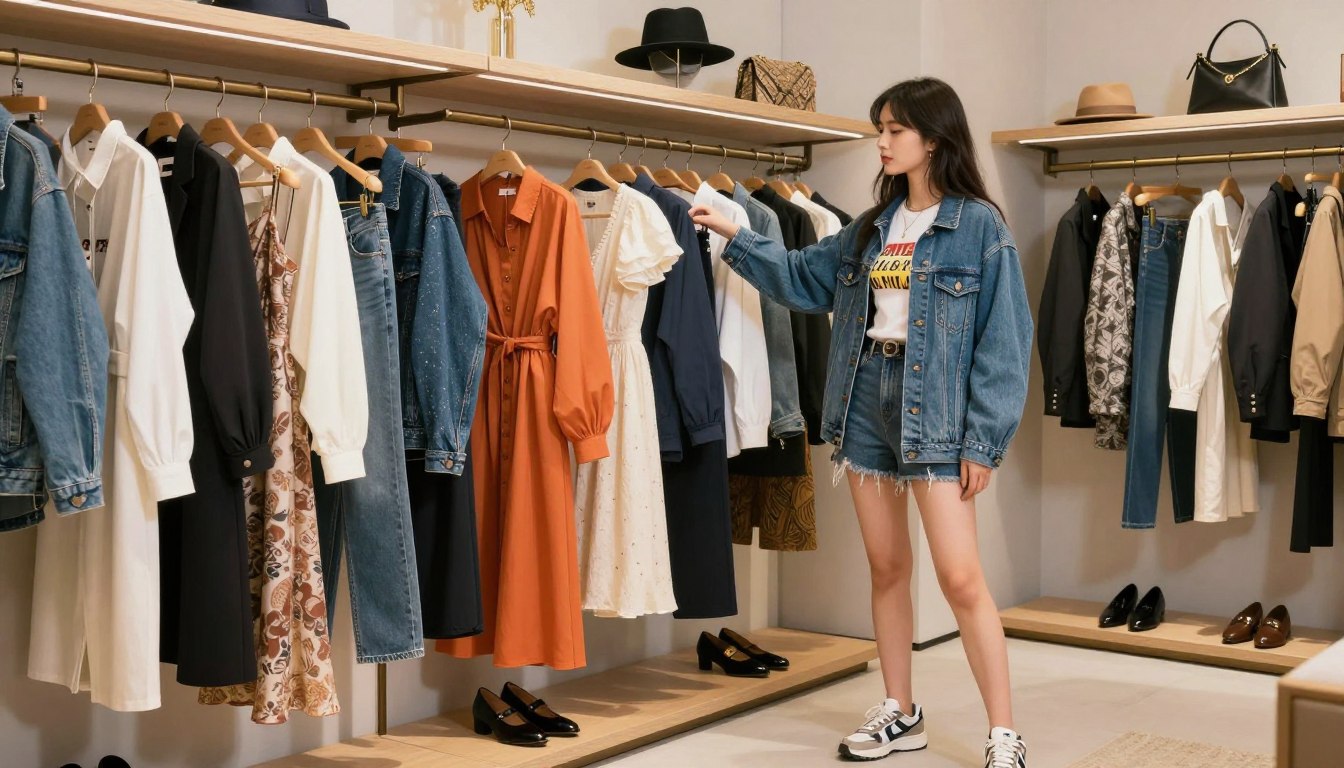
When making your character, picking the right outfit prompts is crucial. Focus on layering and volume for that real, lived-in look. Aim for comfort with a clear visual statement.
Oversized Hoodies and Graphic Tees
The oversized hoodie is key, offering a modern yet relaxed look. Match it with graphic tees for bold style. Use outfit prompts to get the fit and texture right, making sure it looks natural on your model.
Denim Variations and Cargo Pants
Streetwear is all about function, and cargo pants show this well. Try different denim washes for a rugged base. These contrast well with soft, oversized tops.
Footwear Choices for Urban Looks
Footwear completes your character’s urban look. High-tops, chunky dad shoes, and minimalist trainers each have their role. Refine your outfit prompts to match the outfit’s proportions.
| Garment Type | Key Feature | Visual Impact |
|---|---|---|
| Oversized Hoodie | Loose Fit | Casual Comfort |
| Cargo Pants | Utility Pockets | Rugged Functionality |
| Graphic Tee | Bold Prints | Personal Expression |
| Chunky Sneakers | Platform Sole | Urban Edge |
Consistency is key when using outfit prompts. Focus on material and fit for the best look. With these basics, your character will truly represent modern streetwear.
Transitioning to Smart Casual and Business Chic
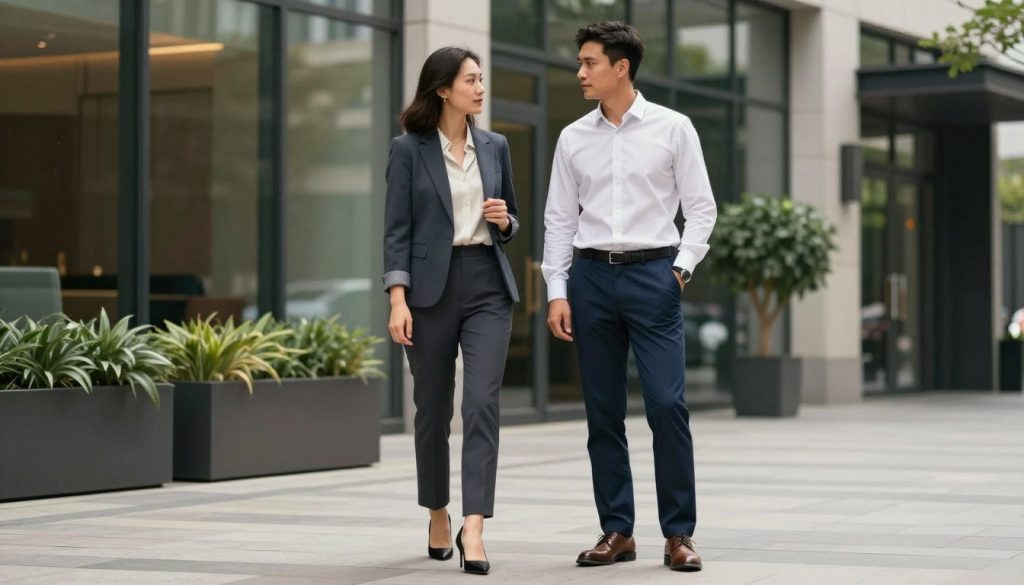
Changing your digital look for a professional setting means cleaner lines and structured clothes. Streetwear’s relaxed vibe needs a more thoughtful approach to styling tips. Focus on quality and fit to create a look that commands respect with a modern twist.
Building a Professional Foundation
A solid professional wardrobe starts with quality basics. Stick to neutral colors like navy, charcoal, and white for versatility. Invest in well-fitted trousers and structured blouses for a clean base to add expressive accessories.
Being consistent is crucial. Choose durable, refined fabrics like wool blends or high-grade cotton. This focus on detail turns simple clothes into a cohesive professional look.
Mixing Tailored Blazers with Modern Basics
The key to business chic is layering. A sharp blazer can turn a basic t-shirt or camisole into a sophisticated outfit. Pair an oversized blazer with slim-fit trousers for a balanced look.
Don’t shy away from texture contrasts. A matte blazer with a silk-blend top adds depth and feels modern yet professional. This mix helps your character move smoothly from a morning meeting to an evening event.
Choosing Appropriate Footwear for Business Settings
Footwear is the final touch for your professional look. While comfort is key, choose pieces that keep the look formal. Classic leather loafers, pointed-toe pumps, or sleek ankle boots are great options.
Think about your character’s environment when choosing shoes. A polished, low-heeled shoe is good for long days. A structured heel adds authority for presentations. Always match the shoe with the hemline for a clean look.
Exploring the World of Haute Couture and Avant-Garde
Entering the world of haute couture lets you explore new limits in digital character design. It’s the top level of fashion, where designers like Chanel and Christian Dior turn fabric into art. By using these styling tips, you can make your AI creations look like they’re straight from a fashion magazine.
Understanding High-Fashion Silhouettes
High-fashion shapes often surprise us by mixing volume, size, and structure. Designers like Versace and Jean-Paul Gaultier use big shapes to make a strong statement. Think about how these shapes can make your character stand out.
Using architectural shapes helps your character look like it belongs in high fashion. Choose a sharp blazer or a flowing gown. The shape of your character’s outfit is key to its look.
Incorporating Dramatic Textures and Materials
The look of a garment changes with light and texture. Adding rich textures makes your digital fashion feel real and luxurious.
Silk, Velvet, and Metallic Finishes
Choosing the right materials can change your design a lot. Silk is smooth and shiny, while velvet is soft and absorbs light. Metallic finishes add a modern, avant-garde touch.
| Material | Visual Characteristic | Best Use Case |
|---|---|---|
| Silk | High sheen and fluid drape | Evening gowns and scarves |
| Velvet | Deep texture and soft shadows | Structured blazers and capes |
| Metallic | Reflective and sharp highlights | Futuristic armor or accessories |
The Importance of Statement Pieces
A single, eye-catching piece can make an outfit stand out. These items are bold, with intricate details or colors. Using these elements makes your character’s look unforgettable.
Fashion is the armor to survive the reality of everyday life.
It’s important to balance bold items with simpler ones. This keeps the design elegant and not too busy. Your character will look confident and stylish in every way.
Selecting Color Palettes and Fabric Textures
The secret to making digital clothes look real is in color and fabric. Your choices can make a garment look flat or strikingly deep. Finding the right balance between creativity and technical skill is key.
Color Theory for Digital Fashion
Color theory is the base for emotional designs. A cohesive palette guides the viewer’s eye and sets the mood. Think about how colors like complementary or monochromatic can change a look.
Good outfit prompts use specific colors. Use exact terms like “muted sage,” “electric cobalt,” or “deep charcoal.” This ensures the colors work well with the scene’s lighting.
Simulating Fabric Physics in AI Prompts
To look real, describe how light hits different materials. AI likes keywords like “sheer silk,” “heavy-duty denim,” or “brushed velvet.” These help the AI show how light interacts with the fabric.
When improving your outfit prompts, focus on the fabric’s physical traits. Talk about “draping,” “stiffness,” or “translucency.” This makes the AI create a convincing, high-fashion masterpiece that feels real.
Utilizing Effective Outfit Prompts for AI Generation
Mastering ai girl wardrobe styling means knowing how to use clear language. When you give detailed instructions, the AI can understand what you want better. This includes textures, shapes, and the overall look you aim for.
Structuring Your Prompt for Maximum Detail
To get the best results, start your outfit prompts with the main item. Then, add details about the fabric, fit, and colors.
- Garment Type: Be specific, such as “oversized hoodie” or “silk slip dress.”
- Material: Describe the texture, like “distressed denim” or “sheer organza.”
- Fit: Define the silhouette, such as “tailored,” “boxy,” or “form-fitting.”
“The quality of your output is directly proportional to the clarity of your input.”
Keywords for Streetwear vs Couture
Knowing the difference between streetwear and haute couture is key. Streetwear uses casual, urban words. Haute couture needs more detailed, fancy language.
For a streetwear look, mention specific shoes like Yeezy sneakers. These shoes, often released in monthly drops, cost between $200 and $300. They show a modern, trendy style.
| Category | Streetwear Keywords | Couture Keywords |
|---|---|---|
| Vibe | Urban, edgy, relaxed | Elegant, avant-garde, luxury |
| Materials | Cotton, nylon, denim | Silk, velvet, intricate lace |
| Footwear | Sneakers, chunky boots | Stilettos, embellished heels |
Iterative Prompting for Better Results
Getting the perfect look takes time. Think of it as an iterative journey. You’ll improve your outfit prompts with each try.
If the AI’s first try is stiff, add words like “fluid movement” or “draped fabric” next time. Keep adjusting your prompts to get better at ai girl wardrobe styling. Soon, you’ll create amazing, high-fashion images.
Layering Techniques for Visual Depth
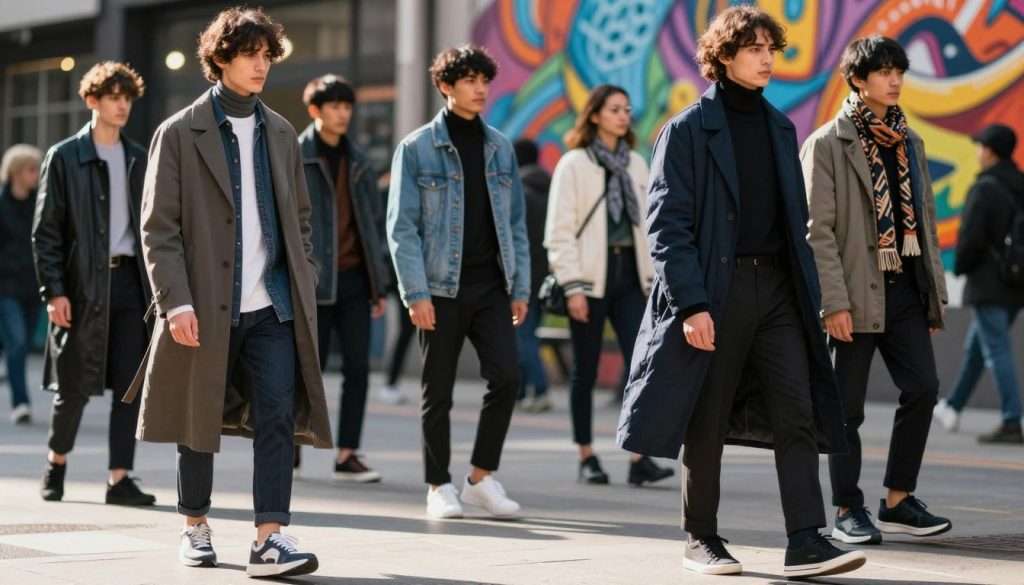
Layering turns a simple outfit into a detailed, engaging piece. By layering different clothes, you add depth and realism. This makes your AI characters look more real. Here are some key styling tips to take your outfits to the next level.
Creating Dimension with Outerwear
Outerwear shapes your character’s look. A structured blazer, a heavy trench coat, or a cropped denim jacket changes the outfit’s feel. Strategic layering lets you show or hide parts of the base clothes, making the look more interesting.
When picking outerwear, think about how it looks with the layers below. A stiff leather jacket contrasts well with a soft silk blouse. These tips help your character look balanced and stylish in any digital setting.
Mixing Patterns and Textures Effectively
Mixing patterns and textures is an art. It’s about finding a balance between interesting and too much. You can mix bold prints with neutral textures to keep the design engaging. Contrast is key to making your character pop.
Try pairing a chunky knit sweater with a smooth satin skirt for a tactile feel. If mixing patterns, keep the colors the same for a unified look. These simple tips will help you balance your character designs, keeping them polished and meaningful.
Accessorizing to Elevate Your AI Character Look
To make your ai girl wardrobe stand out, focus on the small details. Accessories are like the final touches that bring your character to life. They turn a simple outfit into a statement piece. By picking the right accessories, you add depth and personality to your digital creations.
Selecting Jewelry and Headwear
When picking jewelry, think about your character’s vibe. For a professional look, go for minimalist gold chains. For a streetwear vibe, choose chunky, layered necklaces. Headwear like beanies or caps can change an outfit’s look from casual to chic.
Consider how jewelry and headwear match your outfit. For example, Rihanna’s urban style mixes oversized hoodies with high-end boots. You can achieve a similar look by adding bold earrings or a sleek headband.
“Fashion is the armor to survive the reality of everyday life.”
The Impact of Bags and Tech Accessories
Today, fashion blends utility with style. Adding tech accessories like smartwatches or headphones brings a modern touch. These items show your character’s lifestyle and connect with viewers.
Bags are key in your ai girl wardrobe design. Here are some options to enhance your character’s look:
- Crossbody bags: Great for active, streetwear-inspired characters.
- Structured leather totes: Ideal for business chic or professional settings.
- Miniature designer clutches: Best for haute couture or evening wear.
- Tech-integrated backpacks: Adds a futuristic or cyberpunk vibe.
By carefully choosing accessories, your character looks put together and intentional. Remember, sometimes less is more to highlight certain textures or shapes. Use these details to tell your character’s story and where they’re headed.
Refining Silhouettes and Proportions
When you design an ai girl wardrobe, how clothes fit is key. It’s not just about the style. You need to match the character’s shape with the clothes’ cut. Intentional design makes your character look real in any digital space.
Adjusting Body Types for Specific Garments
Each style needs a certain body shape to look right. For example, big streetwear looks better on athletic or relaxed bodies. It stops the clothes from looking too big. On the other hand, fancy clothes need a body that shows off clean lines and height.
Zendaya shows how to mix styles by wearing vintage Dior t-shirts with baggy jeans and boots. This mix of casual and luxury works because she balances the jeans’ volume with the boots’ structure. You can do the same with your ai girl wardrobe by changing the character’s height or shoulder size to fit the fabric.
Correcting Distortion in AI-Generated Clothing
AI models can mess up with complex clothes, causing weird shapes or folds. If clothes look wrong, start with the main shape in your prompt. Then, add details like textures or patterns later.
Using negative prompts can also help, like saying “no extra limbs” or “no merged fabric.” This makes your ai girl wardrobe look good and intentional. Keep tweaking your prompts to get a polished and professional look.
Troubleshooting Common Styling Inconsistencies
Even the most advanced AI models can sometimes have visual glitches. These errors can be annoying but are usually easy to fix with the right styling tips and technical tweaks. By knowing how to spot these issues, you can keep your digital fashion projects looking top-notch.
Fixing Clipping and Texture Issues
Clipping happens when clothes overlap or go through the character’s body, looking unnatural. To solve this, ask for loose-fitting or structured clothes that don’t overlap. If it still happens, use in-painting tools to fix the problem area.
Texture problems often come from too many details in your prompts. Try to focus on one texture at a time, like silk or denim. This makes your images look cleaner and more professional.
Ensuring Consistency Across Multiple Generations
Keeping images looking the same is a big challenge. The best way to do this is by using the same seed number for all your images. This keeps the AI’s noise pattern the same, so your images look consistent.
Also, use character reference tools or style presets to keep your look the same. When making different versions, change only small details. This way, your fashion portfolio will look cohesive and eye-catching.
| Issue Type | Primary Cause | Recommended Fix |
|---|---|---|
| Clipping | Tight geometry | Use “loose fit” prompts |
| Texture Blur | Low resolution | Apply upscaling tools |
| Inconsistency | Changing seeds | Lock seed numbers |
| Color Bleed | Prompt overlap | Use negative prompts |
Conclusion
Mastering the mix of streetwear and high fashion opens up endless possibilities for your AI character designs. You now have the tools to blend urban grit with high-fashion elegance.
Using color, texture, and silhouette, you can create unique and compelling fashion personas. Your digital creations are the perfect canvas for your creative vision.
Keep experimenting with different prompts and layering techniques to refine your personal style. Fashion is a powerful journey of self-expression for every digital artist.
Share your latest character designs with the community to inspire others. Your progress helps push the boundaries of what AI styling can achieve today.
FAQ
What are the best styling tips for creating a diverse ai girl wardrobe?
To create a versatile wardrobe, mix core basics with statement pieces. Define your character’s style, like Calvin Klein’s minimalism or Adidas’s urban vibe. Use specific prompts for textures like denim and silk to add variety.
How do I structure outfit prompts to distinguish between streetwear and haute couture?
For streetwear, focus on relaxed fits and urban looks. Use keywords like oversized silhouettes and distressed denim, inspired by Stüssy or Nike. For haute couture, aim for avant-garde shapes and luxurious materials, like Schiaparelli or Dior.
Which styling tips are most effective for adding realism to digital clothing?
Realism comes from simulating fabric physics and lighting. Describe how light affects different textures, like Levi’s jeans versus Prada’s nylon jacket. Mentioning weights and drapes helps the AI get the look right.
How can I use accessories to elevate my ai girl wardrobe?
Accessories tell your character’s story. A Hermès Birkin bag suggests luxury, while Apple AirPods Max or a Casio G-Shock watch add a modern touch. These details add depth and personality.
How do I fix common distortions when using complex outfit prompts?
If you see clipping or unnatural shapes, refine your prompts. Specify fit and proportion for the character’s body. Start with a base layer and add items like a Burberry trench coat to avoid errors.
What role does color theory play in generating a professional ai girl wardrobe?
Color theory sets the mood and guides the viewer’s eye. Choose complementary colors for streetwear or monochromatic schemes for sophistication. Specify these colors in your prompts for a polished look.