Environment Design: Lofts, Labs & Lunar Suites
Ever wondered why some digital portraits seem alive, while others just float in space? The answer often lies in the world around them. Learning ai girl environment design can turn simple sketches into deep, engaging stories.
Creating a gritty loft or a futuristic lunar suite is key. Your background is the story’s foundation. Professional techniques help turn a still image into a dynamic scene. By focusing on detail, your settings can be as captivating as your characters.
This guide will show you how to create stunning backdrops. You’ll learn about lighting, perspective, and texture to set the mood. Let’s make your digital art a true story.
Key Takeaways
- Understand the importance of background depth in digital storytelling.
- Learn to conceptualize diverse settings from industrial to sci-fi themes.
- Master practical workflows for creating high-quality visual backdrops.
- Discover how lighting and texture influence the mood of your scene.
- Elevate your character art by integrating them into immersive worlds.
Foundations of AI Girl Environment Design
Creating immersive worlds for your characters is a mix of art and architecture. To look professional, focus on the structure of your virtual spaces. A solid ai girl environment design balances looks with practical layout.
Understanding Composition and Perspective
Your viewer’s sense of depth and size comes from how you arrange things. Mastering perspective helps guide the eye to your character. Effective composition makes the digital space feel real and lived-in.
Think about how lines lead to a vanishing point to show distance. Changing these angles affects the scene’s mood. A good ai girl environment design uses these rules to keep the character feeling real.
Selecting the Right AI Model for Scenic Generation
Picking the right engine is key to bringing your vision to life. Just like SAGA Space Architects tested their underwater habitat, you must test your model. Make sure it can handle complex textures and lighting well.
Not all models are great at architectural rendering or interior depth. Try different settings to find the best match for your style. Treating your work like a controlled experiment ensures quality and consistency in every project.
Mastering the Aesthetic of Urban Lofts
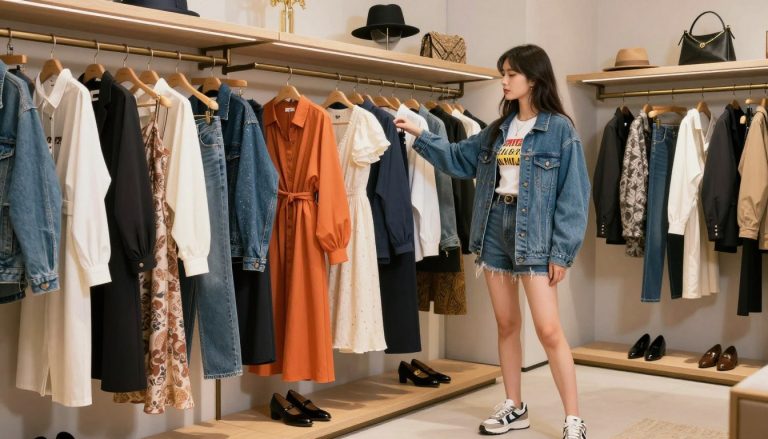
To create the perfect ai girl environment, start with a classic urban loft. These spaces mix raw textures with modern simplicity. Focus on architectural details to make your scene authentic and striking.
Defining Industrial and Minimalist Elements
For a professional look, use exposed brick, high ceilings, and open plans. These features ground your ai girl environment in reality. Minimalism balances these rough textures.
Here are key design elements for your loft:
- Exposed Brick: Adds warmth and history.
- Open Floor Plans: Creates a sense of freedom.
- Minimalist Furniture: Focuses on the character, not clutter.
“Simplicity is the ultimate sophistication.”
Lighting Techniques for Cozy Loft Vibes
Lighting turns a cold room into a cozy home. Manage light intensity and color to set the mood. Warm, soft light makes your ai girl environment inviting.
| Lighting Type | Visual Effect | Best Use Case |
|---|---|---|
| Golden Hour | Warm, soft glow | Relaxed, evening scenes |
| Cool Ambient | Clinical, sharp | Modern, high-tech lofts |
| Dappled Light | Dynamic shadows | Artistic, moody portraits |
Utilizing Natural Light and Shadow Play
Mastering natural light and shadow is key for an authentic atmosphere. Large windows create dramatic light beams. This adds depth to your scene.
Pay attention to light sources. Place windows to highlight your character and create soft shadows. This careful balance brings your vision to life.
Designing High-Tech Laboratory Environments
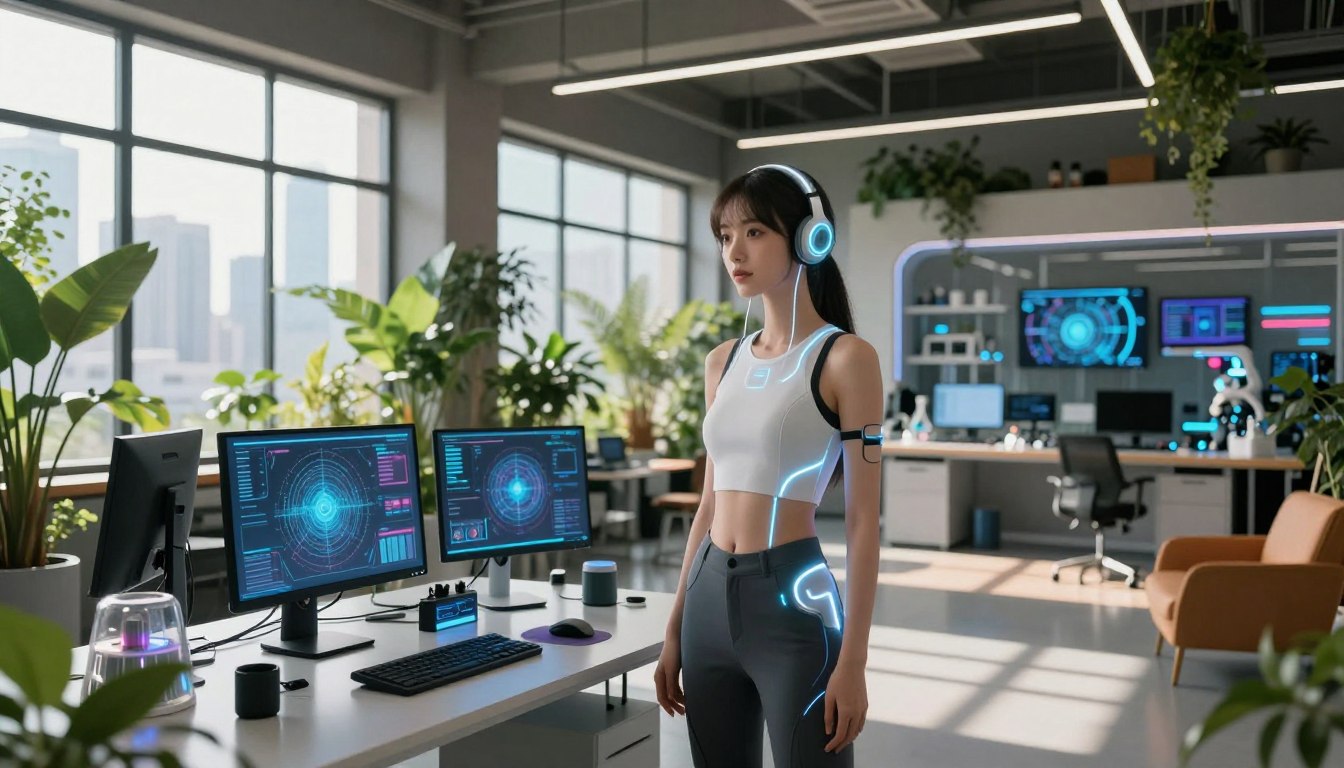
Creating a compelling ai girl environment means mastering the look of advanced research facilities. You need to balance clinical sterility with the promise of futuristic innovation. Look at real-world examples, like the Mars Lab by SAGA Space Architects, to make your designs real.
Incorporating Futuristic Scientific Equipment
To make your lab feel real, focus on where you place complex machinery. Intricate details like holographic displays and robotic arms add depth. Make sure these elements look useful, not cluttered, to keep a professional tone.
Color Palettes for Sterile and Clinical Looks
A successful ai girl environment needs a strict color scheme. Use cool tones like slate gray, crisp white, and soft blues for a clean look. These colors let your subject shine while keeping the high-tech atmosphere alive.
Balancing Neon Accents with Metallic Surfaces
While cool colors are solid, they can feel too much. Add vibrant neon accents to stand out against cold, metallic surfaces. This contrast brings a dynamic sci-fi flair that grabs the viewer’s attention.
Crafting Immersive Lunar Suites
Creating a lunar suite is a chance to explore new architecture while keeping it real. When making an ai girl environment, think about how humans would live in such a tough, alien place. The FLEXHab training facility, made by SAGA Space Architects for ESA astronauts, shows the need for small, useful designs for living in space.
Simulating Low-Gravity and Space-Age Architecture
To get a space-age look, use modular components and rounded shapes. In low-gravity, furniture floats or sticks to walls to save space. Choose clean lines and high-tech materials for a clean, efficient look.
Keeping your design small makes it feel real, like space travel where every inch counts. This makes your ai girl environment look professional and well-thought-out.
Integrating Celestial Views and Window Placement
Placing windows wisely adds wonder to your lunar interiors. Big, strong windows show the moon’s surface or the Earth from afar. These windows remind us of the vast, quiet space outside.
Here’s a table to help plan your interior layout:
| Zone | Primary Function | Design Focus |
|---|---|---|
| Observation Deck | Viewing the cosmos | Large panoramic glass |
| Living Quarters | Rest and recovery | Soft, ambient lighting |
| Technical Lab | Scientific research | High-contrast, cold light |
Creating Atmospheric Lighting for Lunar Interiors
Lighting is key to making your moon base feel real. The moon’s harsh, direct light creates sharp shadows. Use a strong light for the sun and soft, blue LEDs inside your ai girl environment.
Subtle light leaks or glowing panels add depth. Make sure your lighting shows off your space-age materials, like brushed aluminum or matte carbon fiber.
Developing Effective Scenic Prompts
The secret to making AI art look professional is in your scenic prompts. Clear instructions help the model understand your vision better. This precision turns a vague idea into a detailed, stunning scene.
Structuring Your Prompt for Maximum Detail
To get the best results, break your input into logical parts. A well-structured prompt is like a blueprint for the AI. It makes sure every part of the scene has a purpose.
Here are key parts to include in your prompt:
- Subject: Clearly define the main focal point of the room or landscape.
- Setting: Describe the architectural style, such as industrial, clinical, or futuristic.
- Lighting: Specify the mood, such as soft ambient glow, harsh neon, or natural sunlight.
- Atmosphere: Add details about the air quality, like volumetric fog or dust particles.
Using Keywords to Define Texture and Material
The quality of your surfaces depends on the words you use. Descriptive keywords for textures and materials make surfaces feel real. Instead of saying “wall,” use “brushed concrete,” “weathered steel,” or “polished obsidian.”
These specific words tell the AI how to handle light and shadows. Defining materials helps your designs look real, not flat or artificial.
Refining Prompts Through Iterative Testing
It often takes more than one try to get your scenic prompts right. Embrace a process of testing, analyzing, and adjusting. By changing one thing at a time, you can see what works and what doesn’t.
Keep track of your successful prompts to build a library of effective styles. This systematic approach helps you get closer to your goal with each try. With practice, you’ll know exactly what to say to bring your digital worlds to life.
Optimizing Set Design for Character Integration
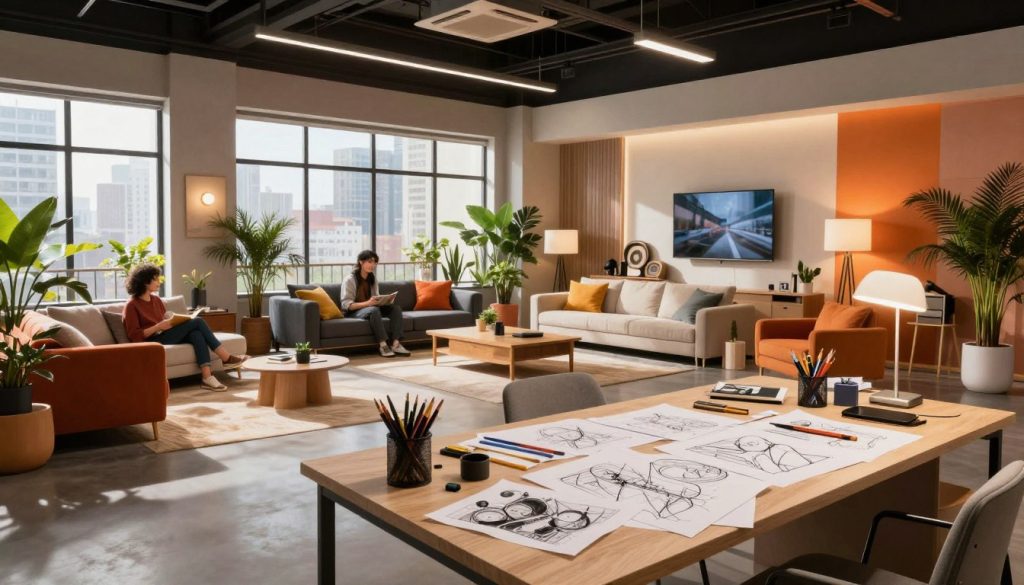
Creating a believable scene is more than just a pretty background. It’s about finding harmony between your subject and their surroundings. Good set design makes sure your character fits right in, avoiding the look of floating or hovering.
Ensuring Scale Consistency Between Character and Room
One big mistake in AI generation is getting the proportions wrong. Make sure your character’s size matches the room’s furniture and architecture. If something looks off, like a door frame that’s too small, your image’s immersion will suffer.
Check that your character’s eye level matches the room’s horizon. This simple step helps your subject feel grounded. Use the table below to spot and fix common scaling mistakes.
| Common Error | Visual Impact | Correction Strategy |
|---|---|---|
| Oversized Furniture | Character looks like a child | Adjust prompt for standard dimensions |
| Floating Feet | Lack of gravity/weight | Use inpainting to anchor shadows |
| Perspective Mismatch | Subject looks detached | Align character to room vanishing point |
Positioning Subjects for Natural Interaction
Positioning your subject for natural interaction adds realism. Whether sitting or leaning, these actions make the set design feel real. Your goal is to show your character engaging with the environment, not just standing in front of it.
“The environment is not merely a backdrop; it is a silent partner that dictates the posture, mood, and physical reality of the character within the frame.”
By paying attention to these details, your character will feel like a natural part of the story. This focus prevents your character from looking disconnected from the world you’ve created. Consistent set design turns a simple image into a professional piece of art.
Advanced Lighting and Atmospheric Effects
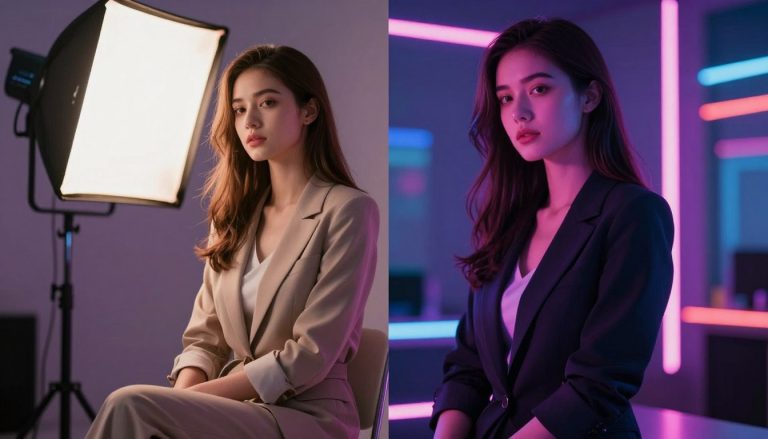
Great set design depends a lot on light manipulation. By adjusting light intensity and direction, you can turn a flat digital space into a three-dimensional world. This is key for setting the mood and story of your scene.
Implementing Volumetric Lighting and Fog
Volumetric lighting makes the air in your scene feel real. It simulates light’s interaction with particles like dust or mist. This creates a tangible atmosphere, perfect for sci-fi scenes where scale and mystery are important.
SAGA Space Architects used a multicolored light panel to help astronauts sleep. You can use light in your set design to affect the viewer’s emotions. Adding fog layers softens edges and adds depth.
“Light is the most powerful tool in the designer’s kit; it defines the space, dictates the mood, and tells the story before a single word is spoken.”
Adding Post-Processing Filters for Cinematic Quality
Post-processing filters are the last step to perfect your work. Adjusting color grading changes the scene’s feel, from cold blues to warm ambers. This is crucial for a professional, cinematic look.
Also, focus on contrast and bloom effects to make highlights stand out. These tweaks keep your set design cohesive and eye-catching. By adding these layers, you elevate your work to high-end digital artistry.
Selecting Textures and Materials for Realism
The secret to top-notch set design is in the mix of texture, light, and material. Choosing the right assets makes your scenes feel real. This is key for anyone wanting to improve their digital spaces.
Understanding Surface Reflectivity and Roughness
Reflectivity and roughness control how light hits an object. For a set design to look real, adjust these to match real materials. For example, shiny metal reflects light, while rough concrete scatters it.
Getting these settings right lets you set the mood of your scene. Changing the roughness map can make surfaces look like glass or stone. This ensures your lighting works with the scene in a real way.
Layering Details to Avoid Artificial Flatness
A common error in digital art is artificial flatness. This makes scenes feel cold or fake. To avoid this, add small, natural details to your scene. Things like dust, scratches, or stains add depth and realism.
Think of these details as the finishing touches for your set design. Even high-tech or futuristic places need signs of use. This makes them feel lived-in and real. By focusing on these details, you make your scene more engaging and immersive.
The aim of your set design is to create a space that feels real. By mixing precise reflectivity with surface wear, you make your digital scene feel like reality.
Troubleshooting Common Environment Design Issues
Mastering environment design means knowing how to solve common problems. Even with detailed scenic prompts, you might still see visual issues. Catching these problems early helps you tweak your settings before wasting time.
Fixing Perspective Distortions and Artifacts
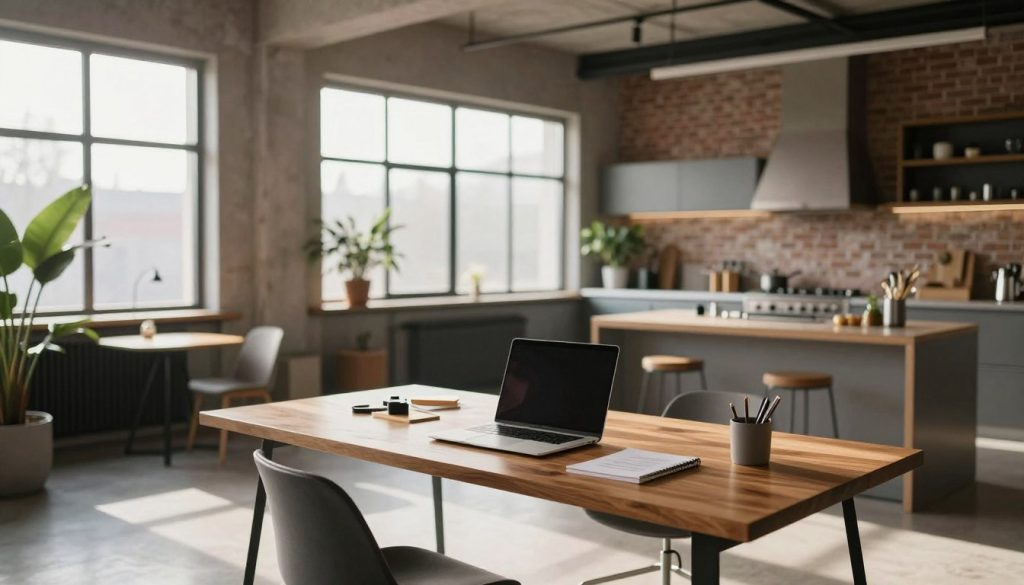
Perspective distortions can make lines and shapes look wrong. If your walls seem to bend or furniture looks off, check your camera settings. Small changes to your focal length can fix these issues quickly.
Artifacts like floating objects or blurry textures often come from too complex prompts. Try making your scenic prompts simpler. If problems continue, try lowering the generation weight to improve stability.
Correcting Inconsistent Lighting Sources
Inconsistent lighting can ruin a great digital scene. You might see shadows in the wrong places or lights without a clear source. To fix this, refine your scenic prompts to specify light direction and intensity.
Be specific with your lighting descriptions. Use terms like “harsh side-lighting” or “soft ambient glow from above”. This ensures your shadows are right and your scene looks professional.
Workflow Tips for Efficient AI Environment Creation
Creating top-notch digital environments needs a smooth process to keep your creativity flowing. Having a consistent system saves a lot of time and prevents frustration from trial and error. By adopting smart habits, you can keep your designs at a high standard.
Organizing Your Prompt Library
Building a personal database of your best scenic prompts can greatly speed up your work. Instead of starting from scratch, categorize your successful text strings by style, lighting, or theme. This makes it easy to find and modify ideas for new projects.
Consistency is key for a professional designer. An organized library ensures your future work stays true to your aesthetic. You can easily adjust keywords to fit a new setting without losing the original quality.
Using Inpainting to Refine Specific Areas
You don’t have to remake an entire image for a small detail. Inpainting tools let you fix specific parts with precision. This is crucial for correcting small errors or adjusting object placement.
Mastering this method keeps you in control of the final look while saving time. It’s a great way to refine your work until it’s perfect. The table below shows how different workflows affect your speed and quality.
| Workflow Method | Primary Benefit | Efficiency Level |
|---|---|---|
| Prompt Library | Faster iteration of scenic prompts | High |
| Inpainting | Precision editing of details | Medium |
| Batch Generation | Broad exploration of concepts | Very High |
Conclusion
Mastering virtual spaces changes how you tell stories. You now have the skills to create detailed scenes. These scenes bring your digital subjects to life.
Creating great ai girl environments is about mixing tech skills with creativity. Every small change you make gets you closer to your unique style.
Don’t stop exploring. New tools from places like Midjourney and Stable Diffusion are always coming out. They offer new ways to challenge yourself. Try different styles to keep your work fresh.
Your hard work in ai girl environment design will make your future projects stand out. Keep trying new things with lighting and composition. The digital world is endless, and your next big project is just around the corner.
FAQ
How do I choose the right AI model for high-end scenic generation?
Picking the right model is key to achieving your set design goals. Look for models that grasp complex composition and perspective. This ensures a believable ai girl environment.
Just as SAGA Space Architects tested their underwater habitat for 48 hours, test your model’s depth and scale handling.
What are the essential elements for designing a high-tech laboratory?
For a professional, scientific look, balance sterility with innovation. Take inspiration from Mars Lab by SAGA Space Architects.
Use cool color palettes, metallic surfaces, and neon accents. This adds sci-fi flair without making it too sterile.
How can I simulate a realistic lunar suite for an off-world ai girl environment?
Look at space-age architecture like FLEXHab by SAGA Space Architects for ESA astronauts. Focus on compact, functional set design.
Integrate celestial views through windows. This creates a sense of wonder and scale in a lunar interior.
What lighting techniques will give my environment a cinematic, professional look?
Try volumetric lighting and fog to make your image stand out. SAGA Space Architects used multicolored circadian light panels for sleep cycles.
Use similar effects in your scenic prompts and post-processing filters for color grading. This makes your set design cohesive and immersive.
How do I maintain scale consistency when integrating a character into a room?
Focus on positioning and consistent perspective for natural interaction. Align the character’s eye level with the room’s horizon line.
This avoids the “pasted-on” look and makes the set design feel real.
What is the best way to use scenic prompts to define textures and materials?
Include keywords for surface reflectivity, roughness, and material layering in your scenic prompts. Describe how light interacts with different surfaces.
For example, compare the matte finish of FLEXHab walls to the glossy sheen of lab equipment. Detailed prompts lead to realistic ai girl environment results.
How can I fix perspective distortions or inconsistent lighting in my AI-generated scenes?
Use inpainting to refine warped or “off” areas. If lighting is off, adjust shadows or highlights manually with post-processing tools.
Ensure they match your scenic prompts primary light source.
What workflow tips help in creating an efficient ai girl environment?
Create a structured prompt library for a professional workflow. Organize keywords by environment type, like industrial lofts or lunar suites.
Use inpainting for iterative refinement. This keeps quality high across scenes while staying true to your vision.